


If you’re planning to sell, refinance, invest, or simply understand your asset better, Melbourne property valuations play a pivotal role in making informed decisions. In a dynamic market like Melbourne’s, knowing the real value of your property isn’t just beneficial — it’s essential.
In Melbourne, pools remain relatively uncommon, appearing in just 2.6% of listings over the past year. That scarcity means their value impact is highly location-dependent.

Property values are influenced as much by buyer behavior as by floor plans, and new research is reshaping how perceived value is formed.
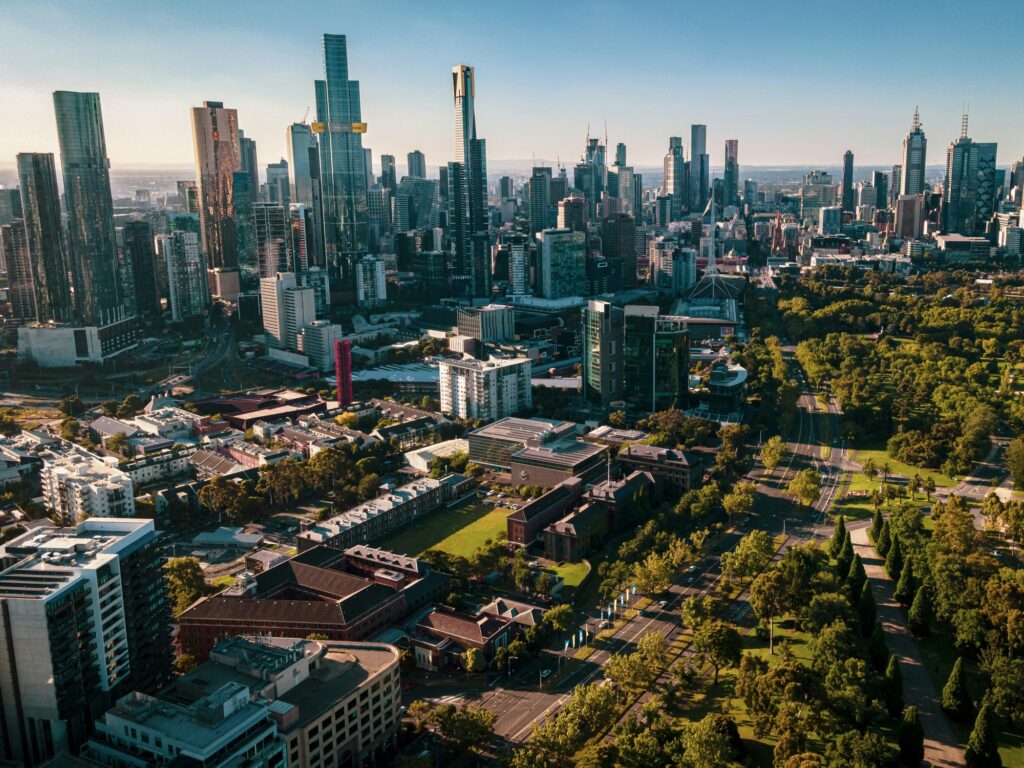
Melbourne’s property market remains one of Australia’s most dynamic and desirable, attracting homeowners, investors and developers alike.

Heritage controls are shaping property values across Victoria, particularly in established councils with high concentrations of protected homes.

Property value differences between neighbouring suburbs can influence where buyer demand flows next, particularly when one location remains noticeably more affordable than those around it.

Property values do not always move uniformly across housing types, and recent data highlights a growing divergence between houses and units in Melbourne. Domain’s latest First Home Buyer Report shows the entry price for a unit has fallen 2.4% over the past five years, from $452,000 in 2020 to $441,250 in 2025.

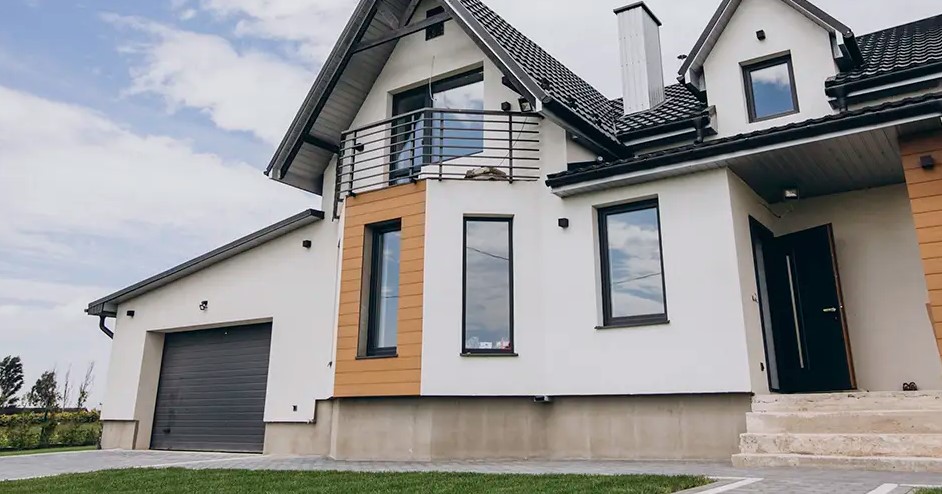
House valuation in Melbourne plays a crucial role for homeowners, investors, and buyers looking to understand the true market value of a property. Whether you are planning to sell, refinance, settle a legal matter, or manage a property portfolio, obtaining an accurate and independent valuation can provide the clarity and confidence needed to make informed decisions.
The changes apply to areas including Hawthorn, Glenferrie, Auburn and Kew Junction in Boroondara, as well as Brunswick, Coburg and Thornbury.
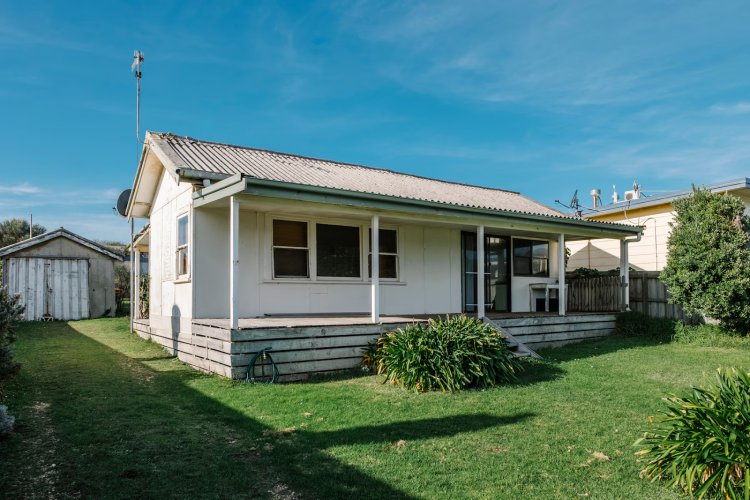
More homeowners are adding secondary dwellings to their properties as renovation activity picks up. NAB data shows renovation lending rose 21% in 2025, with many borrowers using the funds to build granny flats and make better use of existing land.


